Rental viewing checks in Nigeria: safety and records
Plan a safe rental viewing in Nigeria: record what you see, ask about services and repairs, and leave electrical hazards to the appropriate professionals.
A rental viewing in Nigeria should help you record the home’s condition without turning the visit into an electrical test. The Nigerian Electricity Management Services Agency (NEMSA) says never to work on a live electrical circuit in its 12 golden rules. This guidance was checked on 30 October 2026 using published advice from the electricity regulators.
Keep electrical checks hands-off
Do not open electrical covers, handle exposed wiring or deliberately load circuits with high-power appliances. Ask the person responsible for the property to arrange a competent electrical assessment where you have concerns, rather than trying to diagnose faults yourself.
Ask who maintains the installation and request repair records. Record unanswered questions for follow-up. Use a qualified electrical professional for testing, while keeping the viewing focused on safe observation and clear follow-up questions.
Know when to stop the viewing
The Nigerian Electricity Regulatory Commission’s accident and emergency guidance identifies damaged or exposed wires, sparking poles and fires near electrical installations among electrical emergencies.
If you notice such a hazard, stop the inspection and keep away. NERC advises contacting the distribution company responsible for the area and treating electrical equipment as live; do not touch it or anything in contact with it.
Ask the property contact to arrange the appropriate response. Do not approach a hazard to photograph a meter, read a label or demonstrate that something is wrong. A viewing photograph is not worth electrical contact.
Ask about services without diagnosing the building
Prepare a list covering water supply, electricity arrangements, access and the fittings included in the offer. Ask the property contact to explain what is working, what is unavailable and who handles reported faults. Record answers as statements from that contact, not findings you have independently established.
Ask for an agreed list of promised work, the responsible party and proposed completion dates. This applies the FCCPC’s purchasing guidance on inspecting before purchase and specifying service duration; it is not a building survey or a declaration that every observed defect has the same cause.
What this means for you
With permission, photograph accessible rooms and visible condition from safe positions. Keep dated notes of what you saw, what the contact said and what still needs an answer. Do not describe a promised repair as completed.
Send the list for confirmation and retain the response alongside the proposed agreement. The FCCPC complaint-handling guidance recognises agreements and correspondence as supporting documents; keeping a record does not guarantee a particular dispute outcome.
Use EasyProperty’s area pages to organise alternative viewings and its news section for further reading. Keep a separate condition record for each home so that an attractive alternative does not blur the outstanding questions.
The agent directory is another starting point for property enquiries and arranging viewings.
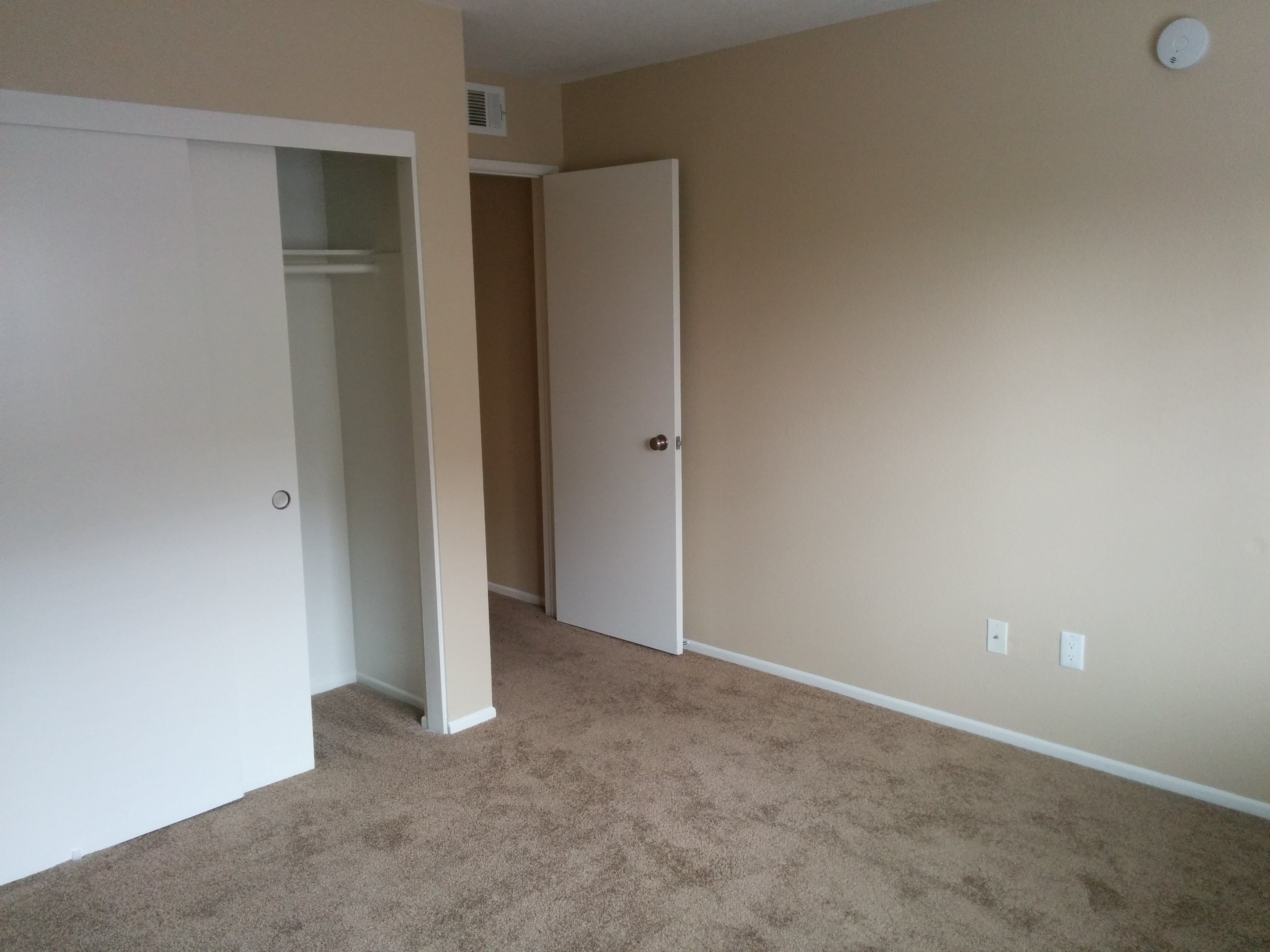
Featured image: Illustrative photograph, not a specific Nigerian property, agency office or disputed site. Photo: aismallard / Wikimedia Commons, CC BY-SA 3.0. Original unmodified; orientation checked.
Sources
Spotted a mistake? Tell us. Want to republish this story? Read the terms.